Mining a public photometric archive for the things its own pipeline was not built to catch.
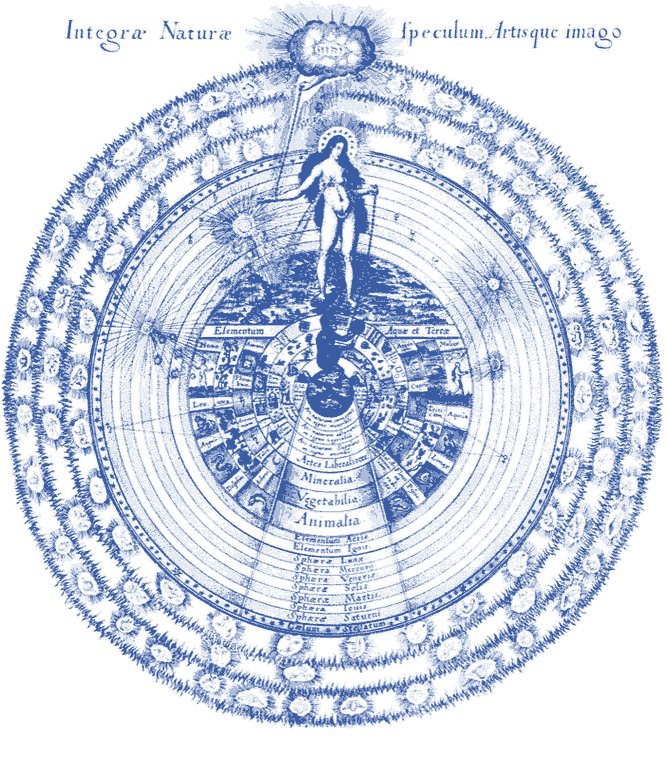
Integrae Naturae Speculum. Robert Fludd, Utriusque Cosmi Historia, 1617.
very survey pipeline is tuned for something, and everything it is not tuned for falls through. TESS is searching for transiting planets on short periods, which means flares, single transits of long-period objects, and aperiodic dimming are all noise as far as the official pipeline is concerned. They are still in the data.
This requires no instrument, no observing time and no proposal. The archive is public and the residue the pipeline discards is still in it.
The Work
TESS Naturalist
Active
M-dwarf flare statistics, monotransit candidates, aperiodic dippers and rotation periods from the TESS archive.
Detection is deliberately classical: box least squares, Lomb-Scargle periodograms, and reconstruction error for the aperiodic cases. The target output was never a paper, it was a Research Note of the AAS, which is short, citable, and the right size for a single clean result found by one person.
What existsA working package with a real pipeline, schema and 13 commits, last touched in April. 144 rendered light curves. No note has been submitted, so the honest description is an archive-mining engine that runs, not a discovery.
 very survey pipeline is tuned for something, and everything it is not tuned for falls through. TESS is searching for transiting planets on short periods, which means flares, single transits of long-period objects, and aperiodic dimming are all noise as far as the official pipeline is concerned. They are still in the data.
